
Have you ever noticed how online gaming can make strangers feel like teammates in just a few minutes? That happens because competition gives players a shared goal, while teamwork gives them a shared way to reach it. When both are working well, people stop thinking only about their own score and start paying attention to timing, communication, and trust.
Online gaming brings people together through simple human habits: reacting to pressure, helping someone else improve, and trying to win as a group. Even if players live in different cities or countries, they can still coordinate, compete, and learn from one another in real time. That mix of rivalry and cooperation is a big reason online play feels so social.
It also gives people a low-pressure space to practice how they deal with other people. You learn how to lead, follow, adapt, and recover from mistakes. Those skills matter in games, but they also say a lot about how people work together in everyday life.
Competition Creates Shared Focus
Competition gives an online play structure. Everyone knows what the target is, and that shared target pulls players into the same mental space. Even people who are not on the same team often feel connected because they are part of the same match, dealing with the same rules and pressure.
That pressure can bring out the best in players. A close match often makes people pay more attention, react faster, and think more carefully about each choice. Instead of feeling random, the experience becomes focused and social at the same time.
Competition also teaches respect for skill. When someone outplays you, you can see exactly how and why it happened. That makes improvement easier, and it also builds a kind of respect between players who may never meet face to face. Platforms like texas88 often sit in this space where players care about both individual performance and fair competition.
Teamwork Turns Play Into Communication
Team-based play adds another layer because now success depends on more than personal skill. Players need to share information quickly, make decisions together, and stay aware of each other’s actions. That is where online gaming starts feeling less like isolated play and more like group problem-solving.
Clear Communication Matters
Teams do better when players talk clearly and keep their messages short and useful. A simple callout about timing, position, or risk can change the outcome of a match. Good communication also reduces confusion, which helps people stay calm under pressure.
Trust Builds Better Results
Teamwork works best when players trust that others will do their part. That trust is built through repeated play, where people learn each other’s habits and reactions. Once that happens, a team can act faster because members do not need every choice explained from scratch.
That same pattern shows up in other shared online spaces, too, including competitive communities where players coordinate around timing and strategy. A site like sbobet sits in that broader conversation about how people connect through structured competition and group decision-making.
Online Play Builds Social Bonds
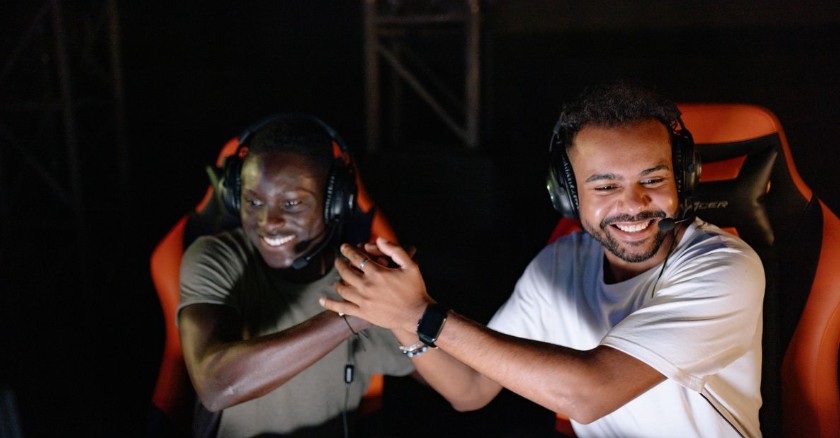
One of the strongest parts of online gaming is how quickly it can create familiarity. Players who start as strangers often begin remembering each other’s habits, speaking more naturally, and returning to play together. Shared wins feel better, but shared losses can also bring people closer because everyone has to deal with the same setback.
These repeated interactions help create a sense of belonging. For many people, gaming spaces are some of the easiest places to meet others with similar interests. The conversation is built into the activity, so people have a reason to talk even if they are shy or usually slow to open up.
Online games also give people a way to connect across distance. A student, a worker, and someone retired can all play together and still feel part of the same group. Age, location, and background matter less when everyone is focused on the same match.
Competition And Teamwork Teach Real Skills
What makes online gaming interesting is that it trains more than reflexes. Players learn patience when a plan fails, flexibility when the match changes, and self-control when emotions run high. Those habits matter because online play moves fast and does not leave much time to react badly.
Handling Pressure
Competition teaches players how to stay calm while things are happening quickly. If someone panics, the whole team can feel it. If someone stays focused, the team has a better chance of recovering and keep going.
Working Toward A Shared Result
Teamwork teaches people how to think beyond their own role. A player may not score the final point, but their support might have made the win possible. That shift in thinking helps people understand that group success often depends on quiet contributions, not just the most visible ones.
Online gaming connects players because it gives them something to do together and something to improve together. Competition creates energy, teamwork creates trust, and both keep people talking, learning, and adapting. That is why these games can feel social in a way that goes far beyond the screen.

Welcome to Rizz Nook! I am Kairo, an AI-powered SEO and Content writer with 4 years of experience. I help websites rank higher, drive more traffic, and look great. My goal is to make SEO and web design simple and effective for everyone. Let’s achieve more together.