

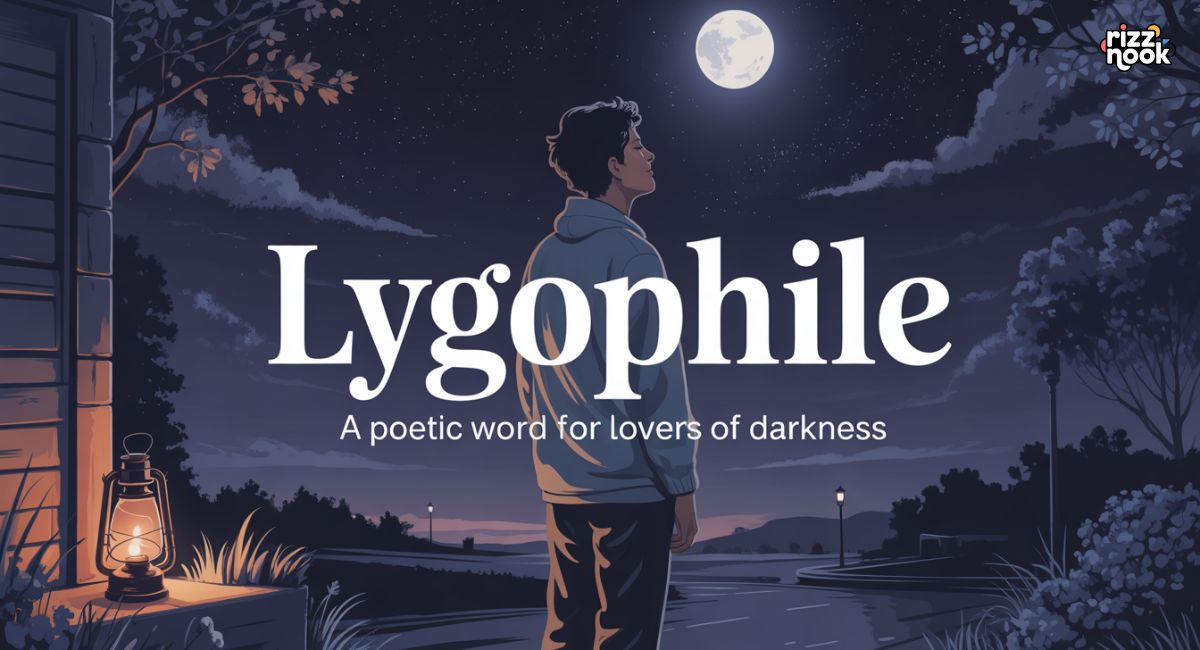
Have you ever felt a deep calm when surrounded by the quiet of night, or wondered why some people seem drawn to the stillness after dark? If this sounds familiar, you might be curious about the term lygophile meaning. Many of us don’t know the exact definition, and it’s easy to get confused when trying to describe someone who loves the night. Understanding what a lygophile person truly is can make it easier to relate to yourself or others who share this quiet passion.
In this post, we’ll break down the lygophile meaning in English and even touch on lygophile meaning in Tamil for broader understanding. You’ll get clear insights into what makes a Lygophile tick, why the night feels so comforting, and how this trait shows up in everyday life. By the end, you’ll know exactly what it means to be a lygophile person and how to appreciate the beauty of the night like they do.
Lygophile Meaning: Definition and Grammatical Overview
The term lygophile meaning refers to a person who loves or feels most comfortable in the night or darkness. A lygophile often enjoys quiet nights, dimly lit environments, and the calm that comes with evening or nighttime. In simple terms, a lygophile person finds peace and inspiration in the shadows rather than in bright daylight.
Historically, the word comes from Greek roots: lygós, meaning “twilight” or “dark,” and philos, meaning “lover of.” While it’s not a common everyday word, it has gained popularity online and in literary circles to describe those drawn to nocturnal moods, moonlit settings, and quiet introspective moments.
Modern uses of lygophile appear in social media captions, poetry, and discussions about night-time aesthetics, often paired with phrases like “candlelight lover” or “twilight lover.”
Key points to understand the meaning:
- Primary Definition: Someone who enjoys darkness or night-time environments.
- Personality Trait: Often introspective, creative at night, or drawn to peaceful darkness.
- Contexts of Use: Literature, Instagram captions, Tumblr poetry, and casual conversation about night-time preferences.
- Tone: Neutral or poetic; can convey calmness, romance, or artistic sensibility.
Example in context:
- “I’m such a lygophile; give me quiet streets under the moonlight over busy daytime crowds any day.”
- “Being a lygophile person, she always felt most alive when the house was dark and everyone else was asleep.”
By understanding the lygophile meaning in English, you can use the word accurately to describe a night-loving personality, whether in casual chats, social media posts, or literary writing.
Origin & Etymology of Lygophile
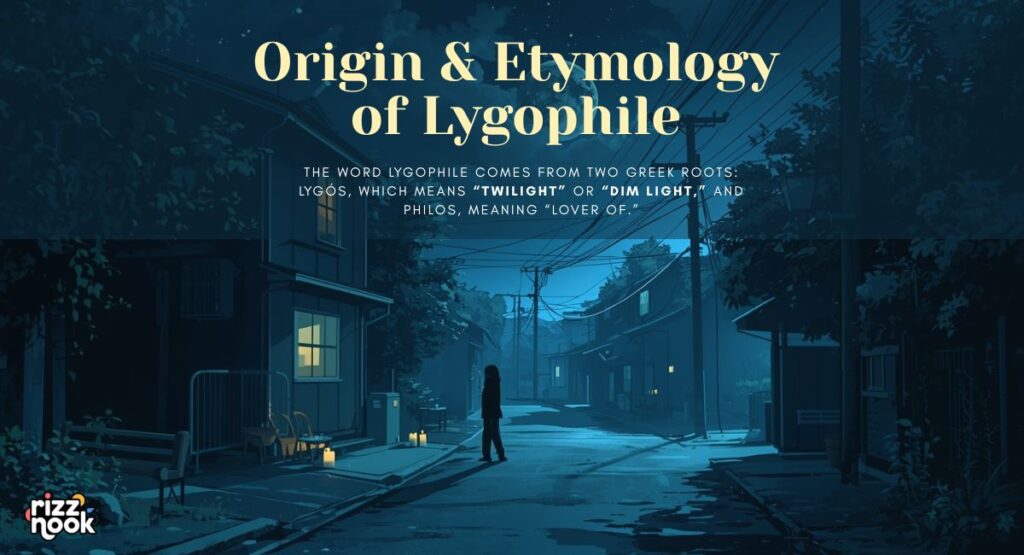
The word lygophile comes from two Greek roots: lygós, which means “twilight” or “dim light,” and philos, meaning “lover of.” Literally, it translates to “lover of twilight or darkness.” While the term itself is relatively modern in English usage, its roots in classical Greek reflect a long-standing human fascination with the night, shadows, and quiet hours.
Over time, the word has been adopted in literature, poetry, and online communities to describe individuals drawn to nocturnal environments. It is often associated with calmness in darkness, introspective moods, or creative inspiration during quiet nights.
A lygophile person may find the night more energizing or comforting than daylight, aligning with aesthetics like candlelit ambiance, Gothic aesthetic, or starry night appreciation.
Detailed Usage and Contexts
Lygophile is used to describe people who genuinely enjoy the night, darkness, or dimly lit settings. While it can appear in formal or literary writing, it is also increasingly popular on social media platforms like Instagram and Tumblr, where users share content reflecting night-time calm or poetic moods.
- Casual Conversation: Referring to someone who prefers evenings or quiet nights.
- Social Media: Often used in captions or hashtags with phrases like “starry night enthusiast” or “candlelight lover.”
- Literary Usage: Describes a character’s nocturnal tendencies or emotional connection to darkness.
Example:
- “As a lygophile person, he always felt most alive wandering under moonlight.”
- “The poem captured the essence of being a lygophile, celebrating quiet nights and mystical tones.”
The interpretation may vary depending on the situation, but the central idea always revolves around a preference for darkness or night-time environments.
Lygophile Synonyms & Antonyms
Synonyms: Words that convey a similar love of night or darkness include:
- Night lover
- Shadow lover
- Twilight lover
- Moonlight admirer
- Selenophile
- Nocturnal soul
Antonyms: Words describing those who prefer daylight or bright environments:
- Heliophile (lover of the sun)
- Photophile (lover of light)
- Daylight enthusiast
These synonyms and antonyms help clarify usage in both casual and literary contexts. Using them can also add variety to your writing and convey subtle differences in personality traits.
Example:
- “While she was a lygophile, her roommate was more of a heliophile, always seeking sunny walks.”
Lygophile Antonyms
While a lygophile loves darkness and quiet nights, its antonyms describe people drawn to light and daytime activities. Understanding these opposites helps clarify personality traits and proper usage in writing or conversation.
Common Antonyms:
- Heliophile – someone who loves sunlight
- Photophile – a person who thrives in bright light
- Daylight enthusiast – informal term for those energized by daytime
Example in context:
- “He’s a lygophile, but his sister is a heliophile; she loves morning walks under the sun.”
- “Unlike the nocturnal lygophile person, the photophile preferred daytime social gatherings.”
These antonyms are useful for contrast in literature, social media captions, or descriptive writing.
Example Sentences Using “Lygophile”
Using lygophile correctly in sentences ensures your writing is clear and natural. Here are a few examples for guidance:
- “Being a lygophile, she found inspiration while reading poetry under a starry night.”
- “I didn’t know the term until now, but it perfectly describes me—a true lygophile person who loves quiet nights.”
- “The photographer captured the mood of a lygophile, highlighting candlelit ambiance and shadows.”
Usage tips:
- Works well in descriptive or literary contexts
- Can be used casually when discussing personal habits or preferences
- Pairs naturally with phrases like quiet nights, dimly lit environments, or moonlight admirer
Common Mistakes & Tips
Many people misuse lygophile or confuse it with similar terms. Here are key points to avoid errors:
- Do not use it to describe someone who simply stays up late; a lygophile person specifically enjoys darkness and nighttime calm.
- Avoid confusing with “nyctophile,” which can sometimes be used interchangeably but has subtle differences: a nyctophile may love night itself, while a lygophile appreciates the ambiance of dim light.
- Pronunciation tip: Say it as lee-go-fi-l to sound natural in conversation.
- Writing tip: Use in descriptive sentences or captions, not just as a label—show the personality trait through context.
Example of misuse:
- ❌ “He’s a lygophile because he stays up playing video games at 2 AM.”
- ✅ “He’s a lygophile person, enjoying peaceful nights and candlelit reading sessions.”
Lygophile Meaning in Different Languages
The word lygophile can be translated or explained in various languages, helping speakers of other languages understand the concept.
- Hindi: रात का प्रेमी (raat ka premi) – someone who loves the night
- Telugu: రాత్రి ప్రేమికుడు (raatri premikudu) – night lover
- Urdu: رات کا عاشق (raat ka aashiq) – a person who enjoys nighttime
- Tamil: இரவின் ஆர்வலர் (iravin aarvalar) – someone drawn to darkness
Understanding the lygophile meaning in English alongside these translations allows a broader audience to relate to the term. It’s useful for cross-cultural discussions, literature, and social media posts where night-time calm or nocturnal preferences are described.
Cultural and Poetic Significance
A lygophile person often carries associations beyond simple night-time preference. In literature and art, the night has long symbolized calm, introspection, romance, and mystery. Writers and poets use lygophile traits to describe characters who are thoughtful, creative at night, or drawn to the beauty of shadows and candlelit settings.
- Literary references: Gothic novels and poetry often highlight lygophile personalities, emphasizing moonlit walks, solitary wandering, or dimly lit study rooms.
- Modern culture: On social media, captions like “candlelight lover” or “starry night enthusiast” echo the essence of a lygophile.
This cultural and poetic lens makes the word more than a definition; it becomes a way to express mood, aesthetic, or emotional reflection in creative writing or digital expression.
How to Remember “Lygophile” Easily
Here are some tips to recall the meaning of lygophile without memorizing a dictionary definition:
- Break it down: Lygós (twilight/dim light) + philos (lover) = lover of dim light or night.
- Visual mnemonic: Picture someone enjoying a starry night, candlelit room, or quiet evening stroll—this person is a lygophile.
- Association with related words: Remember other similar terms like selenophile (moon lover) or twilight lover to reinforce the meaning.
- Use it in sentences: “As a lygophile person, she found inspiration in quiet nights.” Using it practically helps retention.
These strategies help the word stick and make it easier to use naturally in conversation, writing, or social media captions.
Related Words & Word Family
The word lygophile belongs to a larger family of terms describing preferences for natural elements or specific times of day. Understanding related words helps expand vocabulary and describe subtle personality traits more precisely.
Related Words:
- Selenophile: someone who loves the moon
- Astrophile: a person fascinated by stars
- Pluviophile: someone who enjoys rain
- Heliophile: a lover of sunlight
- Nocturnal lover / Twilight lover: phrases often used interchangeably with lygophile
These words share the same Greek or Latin roots (philos meaning “lover of”) and are useful in literature, poetry, or descriptive writing. Pairing lygophile with its family words can create richer expressions of mood, aesthetic, or night-time preferences.
Reader Interaction / Stylish Touch
Engaging your readers makes learning lygophile meaning more memorable. You can ask questions, include mini-quizzes, or provide relatable scenarios.
Examples:
- “Do you find yourself most creative or relaxed at night? You might be a lygophile person!”
- “Caption your next Instagram post with a phrase like ‘Starry night enthusiast’—perfect for fellow lygophiles.”
- Mini-poll idea: “Which setting do you prefer: candlelit room, moonlit street, or quiet twilight park?”
Using stylish touches like interactive questions or visual imagery connects the reader directly to the concept, making the content feel personal and relatable.
Lygophile Pronunciation
Pronouncing lygophile correctly ensures confidence when using it in conversation or social media. The word is pronounced:
LEE-go-fi-l (lyg as in “league,” o short, phile as in “file”).
Tips for clear pronunciation:
- Emphasize the first syllable: LEE-go-fi-l
- Avoid overpronouncing the middle; keep it smooth
- Practice using it in sentences: “As a lygophile person, I love walking under moonlight.”
Understanding pronunciation also helps distinguish lygophile from similar terms like nyctophile, which describes a broader love of night rather than the ambiance of dim light or twilight.
Lygophile Meaning in Instagram
On Instagram, the term lygophile has grown popular among users who want to express their love for night-time aesthetics and dimly lit visuals. Many lygophiles use captions or hashtags to describe their appreciation for quiet nights, candlelit rooms, or starry skies.
Usage Tips for Instagram:
- Pair lygophile with phrases like candlelight lover, starry night enthusiast, or twilight lover.
- Highlight mood through visuals: dimly lit environments, moonlight, or Gothic aesthetics.
- Example caption: “Embracing my inner lygophile person with a quiet evening under the stars.”
This modern social media use blends aesthetic expression with personality, allowing night-lovers to connect and share their nocturnal passions.
Psychology Behind Lygophilia
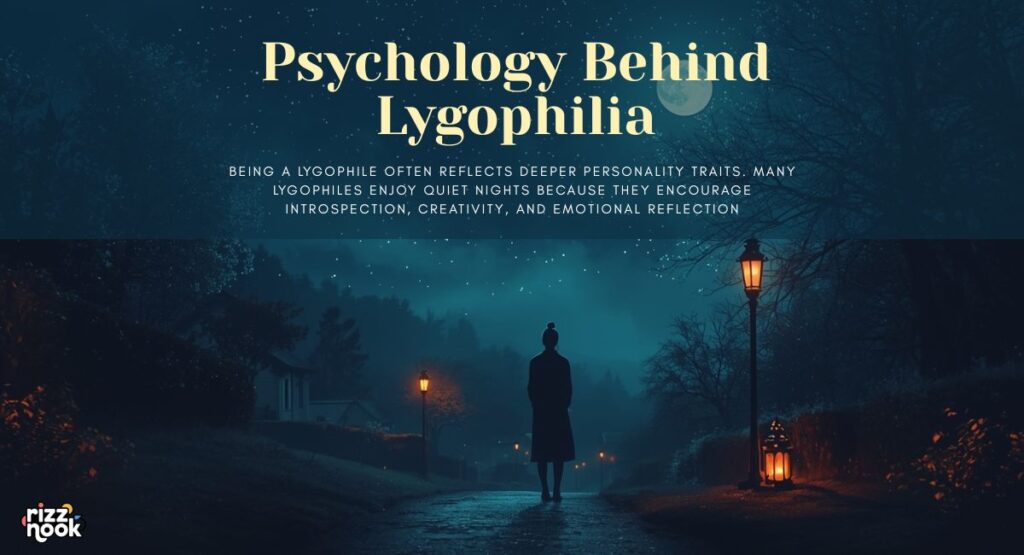
Being a lygophile often reflects deeper personality traits. Many lygophiles enjoy quiet nights because they encourage introspection, creativity, and emotional reflection. Darkness can create a calming environment, making it easier to think, write, or simply unwind.
Key Psychological Insights:
- Introspective mood: Lygophiles often enjoy solitary thinking or journaling during the night.
- Creative tendencies: Many find inspiration for writing, art, or music in dimly lit settings.
- Calmness in darkness: Nighttime reduces external stimulation, promoting relaxation and peace.
Understanding the psychology behind lygophile meaning can help explain why certain individuals thrive at night and prefer the serenity of shadows over daytime activity.
Lygophile in Literature and Poetry
In literature and poetry, a lygophile person is often portrayed as thoughtful, mysterious, or romantically inclined. Writers use the concept to describe characters who seek quiet, reflective moments under the moon, in candlelit rooms, or among shadowy landscapes.
Examples of literary use:
- Gothic novels often highlight lygophile traits in introspective or melancholic characters.
- Poems may celebrate lygophile moods, emphasizing twilight, moonlight, or starry nights.
- Descriptive writing can pair lygophile with terms like candlelit ambiance, dark romantic, or nocturnal personality.
This poetic and literary context adds depth to the word, making it more than a simple descriptor, it conveys mood, aesthetic, and emotional resonance.
Health and Wellness: Is Loving Darkness Harmful or Beneficial?
Being a lygophile, someone who loves darkness and quiet nights, is generally harmless and can even be beneficial. Many lygophiles find that dimly lit environments or late-night hours boost creativity, introspection, and relaxation.
Potential Benefits:
- Stress relief: Nighttime calm helps reduce overstimulation from daytime activities.
- Enhanced creativity: Writing, painting, or thinking in the quiet night often sparks new ideas.
- Better emotional reflection: Darkness encourages introspection and mindfulness.
Points to Watch:
- Excessive avoidance of daylight can affect sleep cycles or vitamin D intake.
- Balance is key: enjoying nighttime serenity is healthy, but regular exposure to daylight is important for physical and mental well-being.
Overall, a lygophile person can thrive while appreciating darkness, as long as they maintain a healthy lifestyle.
Misconceptions About Lygophiles
Many myths surround lygophiles, often confusing night-loving traits with laziness or social avoidance. These misconceptions can lead to misunderstandings about personality or behavior.
Common Misconceptions:
- ❌ “Lygophiles are always night owls who stay up playing games.”
- ❌ “They are antisocial or lonely.”
- ✅ Truth: A lygophile person simply enjoys quiet, dimly lit environments, introspection, or creative night-time activities.
- ✅ Many lygophiles are socially active during the day but value night-time for peace and reflection.
By understanding the lygophile meaning, you can avoid these misunderstandings and appreciate the unique traits of night-loving personalities.
Lygophile vs. Nyctophile: Understanding the Difference
Although lygophile and nyctophile are related, they are not identical.
| Term | Meaning | Focus / Trait |
| Lygophile | Lover of darkness or dimly lit environments | Prefers twilight, candlelight, or shadowed settings; calm in darkness |
| Nyctophile | Lover of the night itself | Drawn to night for its atmosphere, mystery, or energy; may include nightlife enjoyment |
Key Takeaway:
- A lygophile person appreciates the ambiance and serenity of darkness.
- A nyctophile enjoys the night as a whole, sometimes for excitement, mystery, or nocturnal activity.
Understanding this difference helps you use the words accurately in conversation, writing, or social media.
Fun Facts About Darkness Lovers
Darkness lovers or lygophiles often have interesting traits and habits that make them unique:
- Many enjoy candlelit ambiance or twilight aesthetics in daily life.
- They are often creative at night, producing art, music, or writing.
- Moonlight admirers and starry night enthusiasts often find inspiration outdoors.
- Lygophiles may prefer quiet nights for relaxation, reflection, or meditation.
- Their love for darkness can overlap with Gothic or dark romantic aesthetics, emphasizing mystery and calm.
These fun facts show that being a lygophile is not just about loving night, it’s about embracing a lifestyle, mindset, and aesthetic that celebrates serenity, introspection, and creativity.
Frequently Asked Questions
What does lygophile mean?
Lygophile meaning describes a person who loves darkness or night. A lygophile person enjoys quiet nights, dimly lit environments, and finds calmness in shadows and twilight settings.
What is the meaning of lycophile?
Lygophile meaning is different from lycophile, though both relate to nature. Lycophile refers to someone who loves wolves, while lygophile meaning focuses on night or dim light enjoyment.
How do you use Lygophile in a sentence?
You can use lygophile meaning in sentences like this: She is a lygophile person, finding inspiration and peace while walking alone under quiet starry nights.
What language is Lygophile?
Lygophile meaning comes from Greek, with lygos meaning dim light or twilight, and philos meaning lover. It is used in English to describe night-loving personalities today.
Is lygophile a real word?
Yes, lygophile is a real word. Lygophile meaning is recognized in literature, social media, and discussions about personality traits related to night-time or darkness.
Is lygophile formal or informal?
Lygophile meaning can be used both formally and informally. It works in literature, poetry, or social media posts while also describing night-loving personalities casually.
What is the difference between lygophile and nyctophile?
Lygophile meaning focuses on enjoying dim light or twilight, while nyctophile loves the night itself. Both enjoy darkness, but lygophile prefers calmness over night activity.
Can I use lygophile in my Instagram bio?
Yes, lygophile meaning is perfect for Instagram bios. You can describe yourself as a lygophile person who loves candlelit ambiance, quiet nights, or starry night aesthetics.
What are some common synonyms of lygophile?
Lygophile meaning has synonyms like night lover, twilight lover, candlelight lover, shadow lover, and selenophile. They all describe someone who enjoys calm, quiet, dimly lit environments.
Conclusion: Embrace the Calm of the Dark
Understanding lygophile meaning helps you describe a person who loves darkness and quiet nights. A lygophile person enjoys dim light, peaceful evenings, and calm surroundings. The word Lygophile is useful in writing, social media, or conversation.
Knowing the lygophile meaning in English makes it easy to explain this personality trait to others. In Tamil, the lygophile meaning in Tamil can be expressed as someone who feels happy and inspired in night-time or shadowed settings.
Being a lygophile is not about staying up late or avoiding daylight. A true lygophile person finds comfort and creativity in the dark. Understanding lygophile meaning helps you recognize quiet, thoughtful, and artistic night lovers. Using the term naturally shows appreciation for this personality.
Read Next: Undulating Kiss Meaning: Facts Behind This Romantic Term